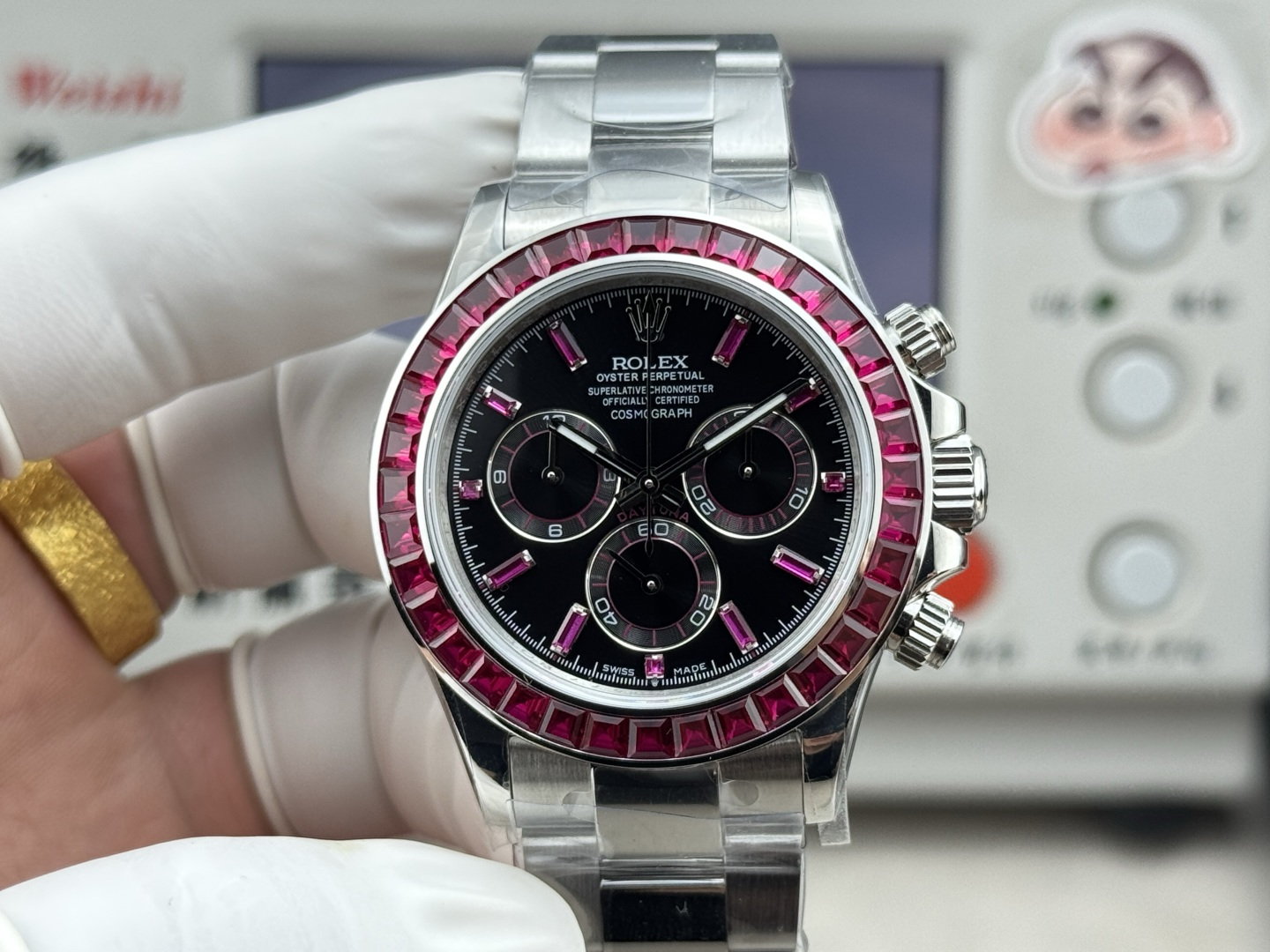
When people search for a fausse rolex, they usually do not want a lecture about luxury watches. They want to know whether a specific replica is worth buying, what can go wrong, and how to avoid wasting money on something that looks good in photos but feels wrong on the wrist. That is especially true with Rolex Daytona replicas using the 4130 clone movement, because this category is full of confident claims, recycled factory photos, and sellers who make every watch sound like the final version.
```From what I have seen, the Daytona with a 4130 clone is one of the few replica watches where the movement actually matters. Many buyers first compare general rolex replicas, then eventually narrow down to Daytona models because the case shape, dial spacing, chronograph layout, and movement thickness are closely connected. A cheap Daytona can look acceptable from a distance, but once the subdial spacing, case thickness, or chronograph feel is wrong, it becomes hard to ignore.
The real question is not simply whether a fausse rolex looks close to genuine. The better question is whether the whole package makes sense: factory quality, movement reliability, serviceability, finishing, price, and the way the watch actually wears. In my experience, the best purchase decision is rarely based on one perfect photo. It comes from understanding what you are compromising on, and whether those compromises matter to you.
Why the 4130 Clone Matters More Than Most Buyers Think
The reason the 4130 clone receives so much attention is simple: the Rolex Daytona is movement-sensitive. On many fausses montres, the movement is hidden well enough that buyers can focus mainly on the dial, bezel, bracelet, and case finishing. The Daytona is different. Its chronograph layout depends heavily on the architecture of the movement underneath. If the movement is too thick or uses the wrong base structure, the entire watch can become thicker, the subdial spacing can be slightly off, and the case profile can lose the low, compact feel that makes the genuine Daytona attractive.
The specific movement most serious buyers discuss is the Dandong 4130, often called the DD4130. It is widely treated as a 1:1 clone movement in the replica market because its construction is designed to follow the genuine Rolex 4130 layout rather than merely decorating a generic chronograph caliber. This does not mean it is equal to a genuine Rolex movement in metallurgy, finishing, long-term quality control, or factory testing. It means the bridge layout, chronograph architecture, gear arrangement, and movement dimensions are close enough to allow a more accurate case and dial construction. That structural similarity is the main reason many experienced buyers recommend 4130 over cheaper alternatives.
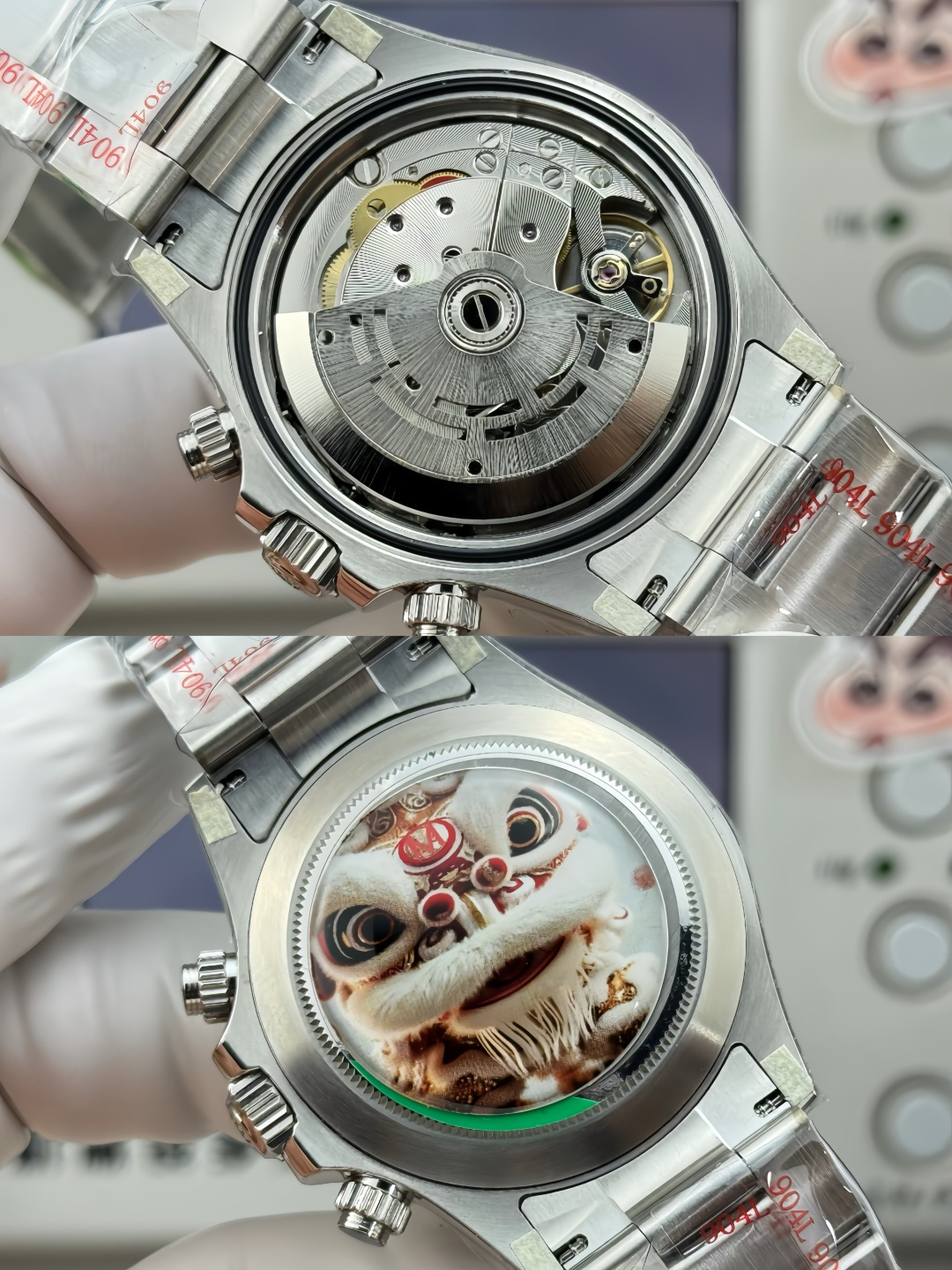
The power reserve is another practical point. A good 4130 clone is commonly advertised around 72 hours, which matches the genuine 4130 specification more closely than many older automatic chronograph movements. In daily use, this matters because the watch can be taken off for a weekend and still be running when you pick it up again. It also gives the movement a more premium ownership feel compared with replicas that stop quickly after a day in the drawer.
One common mistake is assuming every fausse rolex with "4130" in the listing has the same movement. It does not. Some sellers use the term loosely because buyers recognize it. A true DD4130 should have the correct slim profile, working chronograph, reliable reset action, and the expected Daytona thickness. Cheaper versions may use modified Asian 7750 movements or other chronograph bases. Those can work, but they are usually thicker, less refined, and more difficult to recommend if the buyer wants a réplique Rolex de haute qualité rather than just a watch that resembles a Daytona.
In practical terms, the 4130 clone is not only about bragging rights. It affects comfort, case accuracy, chronograph feel, and resale demand inside the replica community. If your budget allows only one upgrade, I would usually prioritize the right movement over a tiny dial detail that only appears under macro photography.
Actual Stability and Repair Difficulty
In real ownership, the 4130 clone is generally more stable than many older replica chronograph movements, provided it comes from a strong factory and is not abused. The chronograph should start, stop, and reset cleanly. The winding should feel reasonably smooth. The rotor should not sound rough or loose. The date is not a factor because the Daytona has no date, which actually removes one common problem area found in other fausses montres.
Repair difficulty is more complicated. A DD4130 is not as easy to service as a basic three-hand Asian 2824 or 3235-style movement. It is a chronograph movement, and chronographs always require more skill. Some watchmakers will not touch replica movements, while others may service them if parts are available. The good news is that because the 4130 clone is popular, parts and donor movements are easier to find than for obscure clones. The bad news is that repair cost can still become high relative to the price of the watch. That is why I do not suggest buying a 4130 Daytona from the cheapest unknown seller. A low entry price can disappear quickly if the chronograph arrives with reset issues or poor regulation.
Factory Comparison: Clean, BTF, and the Buyer's Real Choice
For Daytona replicas, the conversation usually comes down to Clean Factory and BTF, with some buyers also considering other smaller or older options depending on dial color and availability. Both Clean and BTF have produced strong Daytona models, and both are commonly discussed among buyers looking for meilleures replique montres. The mistake is thinking one factory is automatically better in every version. Factory choice depends on the exact reference, dial color, bezel, bracelet finishing, and sometimes even the production batch.
Clean Factory is often preferred for overall case shape, bracelet feel, bezel execution, and balanced appearance. When people say Clean makes one of the meilleures replique montres in the Daytona category, they usually mean it performs well as a complete watch. The case profile is convincing, the ceramic bezel is usually strong, and the bracelet finishing feels closer to what buyers expect from a higher-end replica. For black dial or panda dial Daytona models, Clean is frequently a safe choice because it gives fewer obvious tells during normal wear.
BTF can be very competitive, especially on certain dials. Some buyers prefer BTF for dial texture, marker appearance, or specific visual details depending on the model. In a macro comparison, BTF may sometimes appear better in one small area while Clean wins in the overall wrist impression. This is exactly why buyers get confused. A forum photo may show BTF with a slightly better dial print, while Clean may still look better when worn because the bezel, case, bracelet, and total proportions work together more naturally.
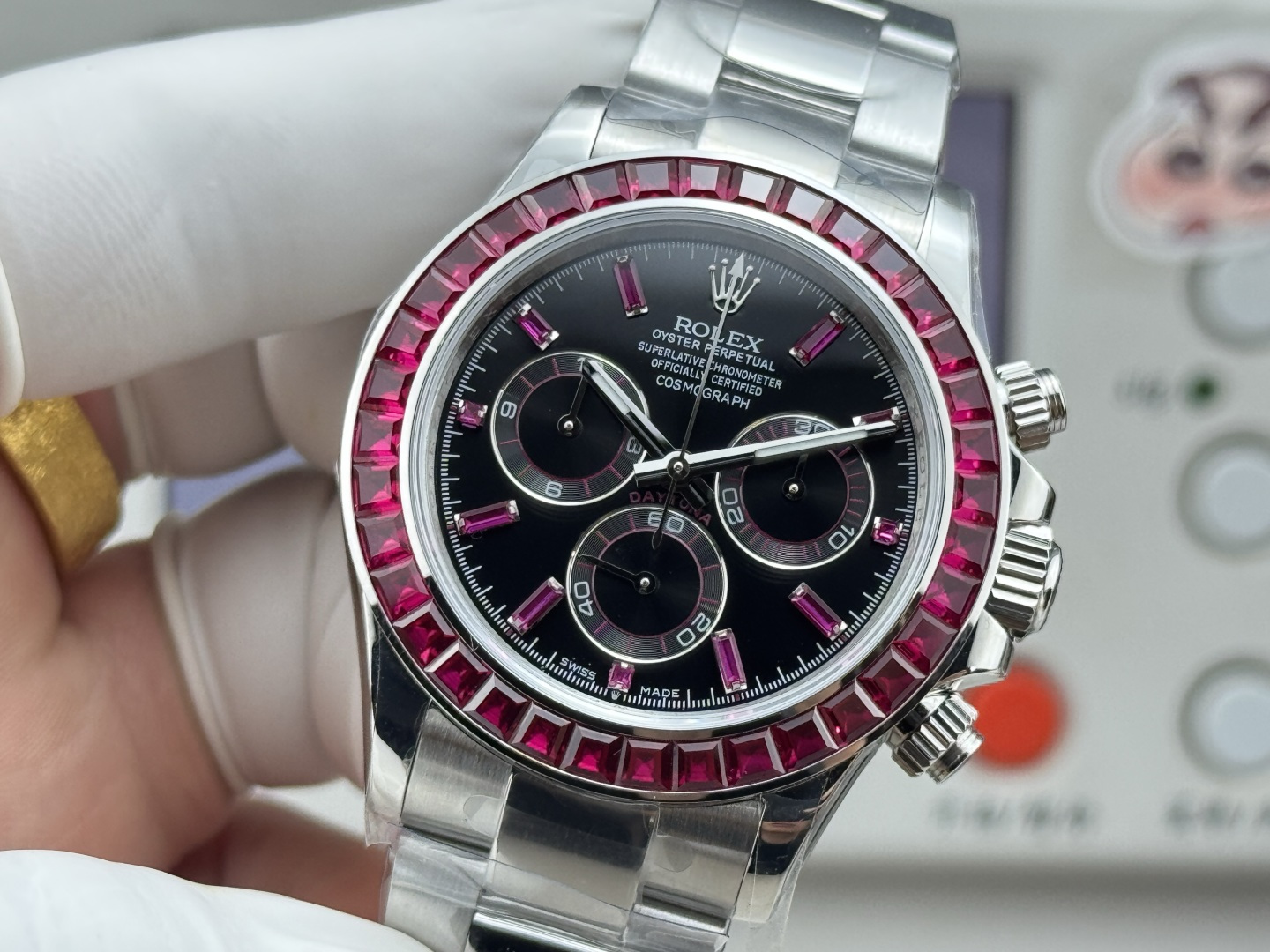
One common mistake is choosing the factory based only on a single macro flaw. For example, a buyer may reject a watch because the coronet shape is slightly different under heavy zoom, then buy another version with a worse case profile. That is not a smart trade. A fausse rolex is judged most often at wrist distance, not under a microscope. If the case is too thick, the bracelet feels sharp, or the bezel tone is wrong, those flaws affect ownership more than a tiny print difference that only appears in enlarged photos.
My practical comparison is this: Clean is usually the better default for a buyer who wants a safer all-around Daytona with the 4130 clone. BTF is worth considering when a specific dial version is known to be strong or when the buyer has compared current batch photos carefully. Other factories can make sense only if the price is significantly lower or if the buyer understands the compromise. For most people searching meilleures replique montres, saving a small amount by choosing an uncertain factory is not worth it.
Clean vs BTF: The So-What Test
The most useful way to compare Clean and BTF is not to ask which one is "best" in theory. Ask what difference you will actually notice after two weeks of wearing it. If Clean has a slightly stronger bracelet, better bezel appearance, and more consistent case shape, those qualities affect daily satisfaction. If BTF has a dial that looks slightly closer in one photo but the bracelet feels less refined, that may not matter unless you care mainly about close-up inspection.
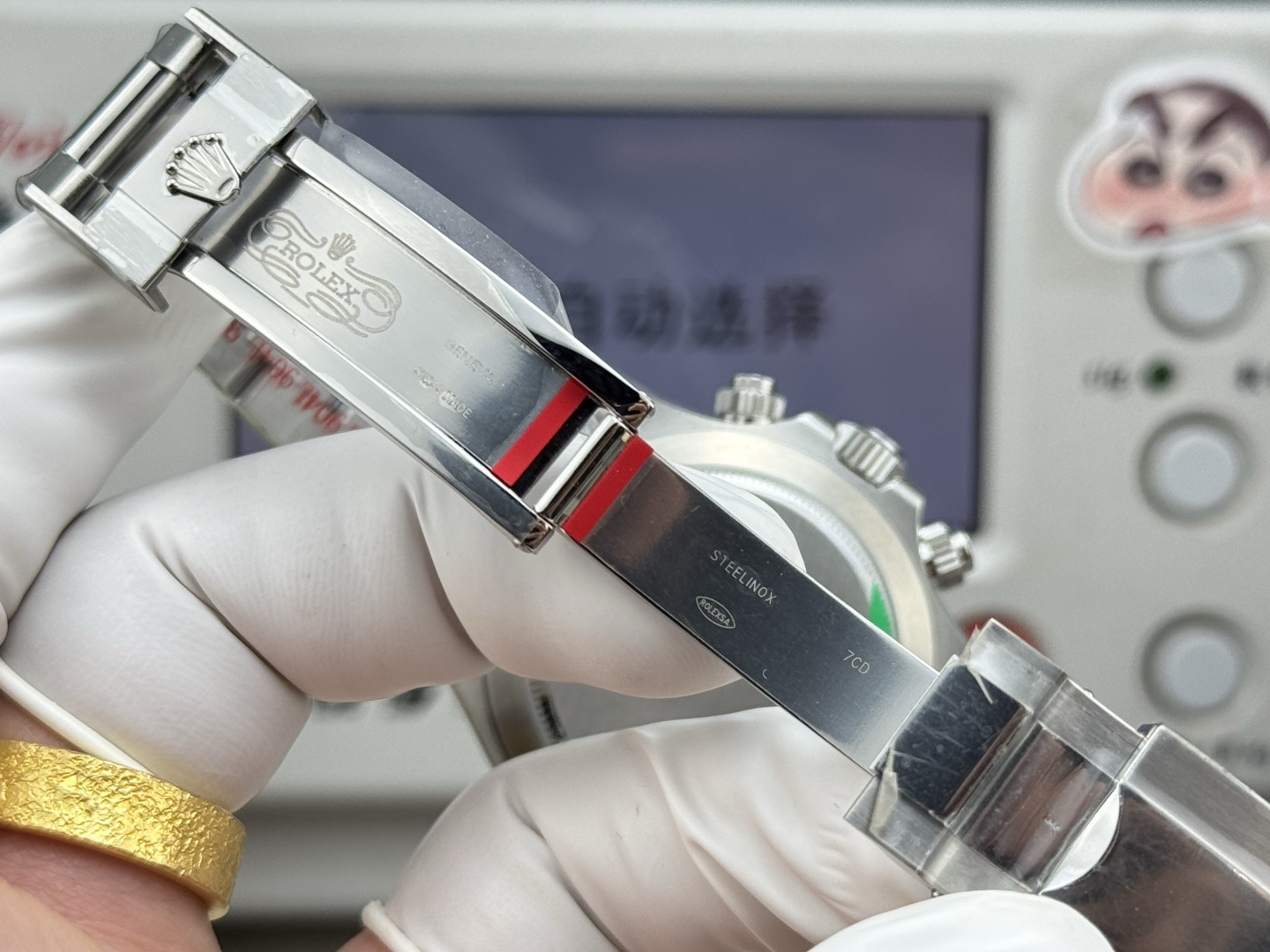
This is also where seller quality matters. A good seller should provide clear QC photos, explain the movement, and not push every available version as the best. I have seen buyers have a better experience with a slightly imperfect watch from a reliable seller than with a theoretically better version from a seller who hides flaws. The watch itself matters, but the buying process matters too. For example, replicafactory.is has been treated by some buyers as a trustworthy source because the process feels more transparent than random low-price sellers. Still, buyers should inspect QC photos carefully and avoid rushing the decision.
Wrist Test vs Macro Test: The Analysis Most Buyers Ignore
The biggest difference between experienced buyers and first-time buyers is how they judge flaws. Beginners usually obsess over macro photos. Experienced buyers use what I call the Wrist Test first, then the Macro Test second. The Wrist Test asks whether the watch looks convincing at normal distance, under real lighting, while moving naturally on the wrist. The Macro Test asks whether the watch survives extreme zoom and side-by-side comparisons with genuine examples. Both matter, but they do not matter equally.
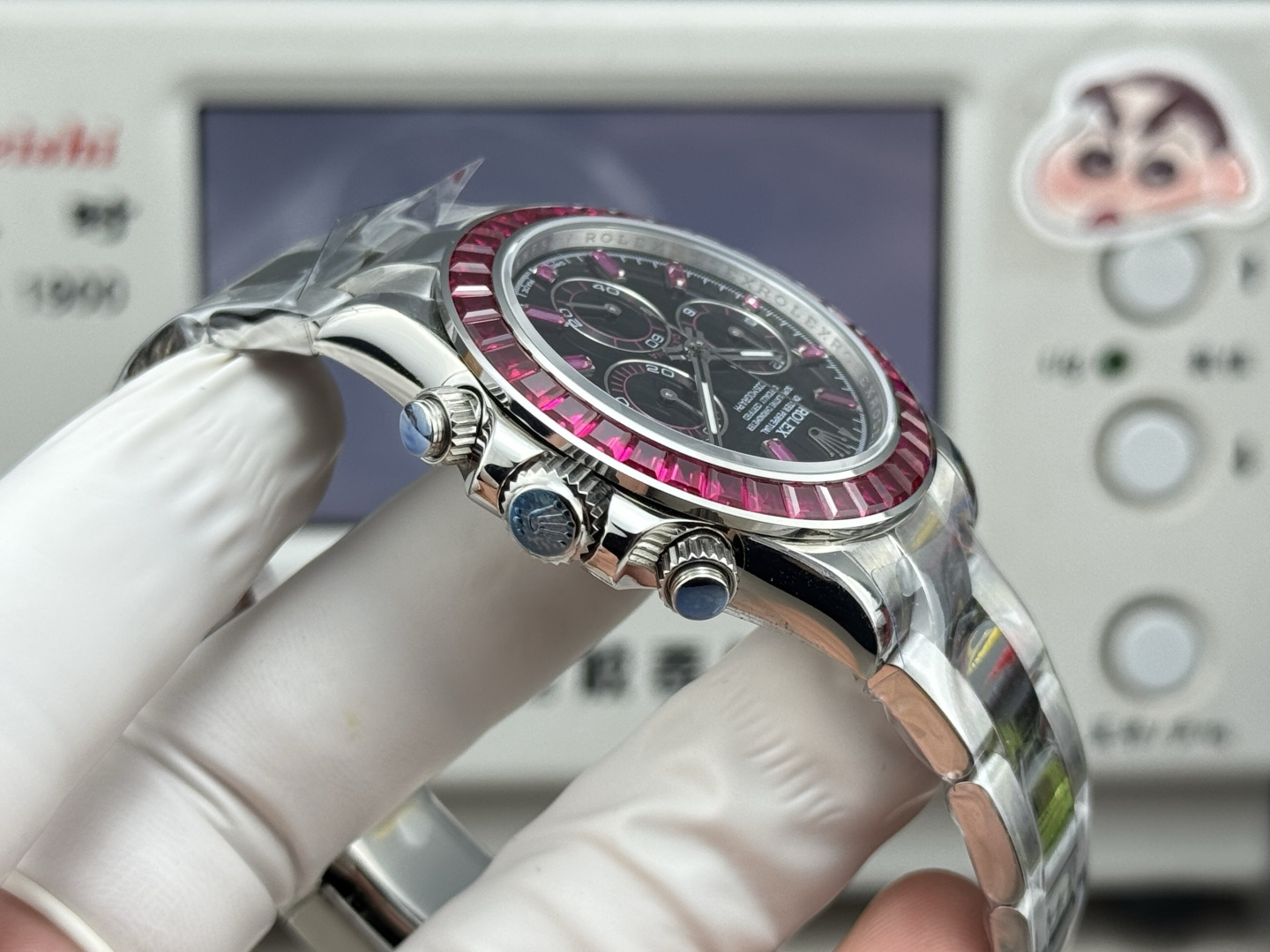
A fausse rolex can fail the Wrist Test in obvious ways. The case may sit too tall. The lugs may look bulky. The bracelet may reflect light in a cheap way. The bezel engraving may appear too white or too deep. The dial may look flat rather than layered. These flaws are visible without a loupe. They affect how the watch feels every time you wear it. If a Daytona fails here, I would not buy it, even if the movement is called 4130 and the macro details seem acceptable.
The Macro Test is different. It catches tiny font spacing, subdial texture, hand length, polishing lines, and engraving differences. These are real details, but not all are equally important. One common mistake is treating every macro difference as a deal-breaker. That mindset can make buyers chase endless upgrades and still feel unsatisfied. Replica watches are about controlled compromise. The goal is not to defeat a professional authentication inspection. The goal is to buy a watch that wears well, runs reliably, and does not constantly remind you that you made a poor decision.
This is why movement specs can be overrated for most buyers, even though I recommend the 4130. The movement is important because it supports the correct Daytona architecture. But after that threshold is met, the ownership experience depends just as much on finishing, QC, bracelet comfort, and seller honesty. A buyer who only asks "Is it a 4130?" may still end up with a bad example. A better question is: "Is this the right 4130 version from a strong factory, with acceptable QC, and does it pass the Wrist Test?"
The same logic applies to broader searches like meilleures replique montres or montres super clone. Many articles rank products as if there is a universal best. In real buying, the best choice depends on your tolerance for flaws. Some buyers care about the dial most. Some care about movement. Some care about comfort. Personally, I would rather accept a tiny macro flaw than wear a watch that feels thick, noisy, or poorly finished.
Why Movement Specs Are Overrated for Most Buyers
Movement specs become overrated when buyers use them as a shortcut instead of a judgment tool. A DD4130 with around 72 hours of power reserve is a strong advantage, but it does not automatically make the whole watch excellent. The movement can be good while the dial is weak. The movement can be correct while the bracelet feels cheap. The movement can be stable while the seller provides poor QC photos. Buying based only on the movement is like buying a car only because the engine sounds impressive.
The more balanced view is to treat the movement as the foundation. If the foundation is wrong, the watch will probably have deeper issues. If the foundation is right, you still need to inspect the rest. For a Daytona, I would not recommend a cheaper non-4130 version to a buyer who wants a long-term keeper. But I would also not tell someone to buy blindly just because the listing says 4130. Ask for movement confirmation, case thickness, factory name, QC images, and chronograph reset photos. That is the difference between buying a clone Rolex intelligently and simply reacting to a spec sheet.
What I Would Actually Buy and Why
If I were choosing one Daytona replica today, I would start with a Clean Factory Daytona using the DD4130 movement. Not because it is flawless, and not because every Clean watch is better than every BTF watch, but because it gives the strongest balance for most buyers. It usually performs well in the areas that matter after the purchase: case profile, bracelet feel, bezel quality, movement architecture, and resale confidence. For someone searching meilleures replique montres, this balance matters more than winning one microscopic comparison.
The model choice depends on taste, but the black dial and panda dial Daytona references are usually safer than unusual colors. Popular models receive more factory attention, more buyer feedback, and more batch improvement. That means you can find more QC examples and compare flaws more easily. Rare dial colors can look attractive, but they may have less consistent finishing or less community feedback. A first-time buyer should avoid being experimental unless the seller provides very clear photos.
For a buyer asking où acheter une fausse Rolex, I would not look only at the lowest price. I would look at communication, QC process, movement honesty, and whether the seller understands factory differences. A fausse rolex with a cheap price but unclear factory origin is not a bargain. It is a risk. A trustworthy seller should be able to explain whether the watch is Clean, BTF, or another factory, whether it uses DD4130, and what flaws are normal for that batch. I have seen buyers overpay for average watches because the seller used beautiful stock photos. I have also seen buyers reject good watches because they expected genuine-level perfection from a replica.
This is where sites such as replique montre become part of the research path for buyers comparing fausses Rolex, fausses montres, and montres super clone options. The key is not to treat any single website as magic. Use it as one part of your comparison, then judge the specific watch. A good buyer asks for QC. A careful buyer compares current batches. A realistic buyer understands that even the best fausse rolex is still a replica with limits.
My experience-based advice is simple: buy the best version you can afford once, instead of buying a cheaper version first and upgrading later. The Daytona is not the right model for bargain hunting. If the 4130 version costs more, there is a reason. You are paying for correct architecture, better proportions, stronger demand, and usually a better overall build. For many buyers, that extra cost is cheaper than buying a disappointing watch and then replacing it.
Buyer Mistakes That Cost Real Money
The first expensive mistake is chasing the phrase "best version" without knowing the factory. Sellers know buyers search for meilleures replique montres, so they use broad claims. A listing may say "super clone", "AAA", "1:1", or "latest edition", but those words mean very little without factory and movement confirmation. If the seller cannot clearly state the factory and movement, I would walk away.
The second mistake is ignoring QC because the seller has a good-looking website. QC matters because replica quality can vary from piece to piece. Check dial alignment, rehaut position, bezel print, SEL fit, clasp engraving, hand alignment, and chronograph reset. For a 4130 Daytona, make sure the chronograph seconds hand resets exactly to 12. A small visual flaw may be acceptable. A movement or reset issue is not.
The third mistake is buying a fausse rolex for the wrong reason. If you want something that will pass expert authentication, do not buy one. If you want a well-built, visually convincing, enjoyable Daytona-style watch, a strong 4130 clone can make sense. That distinction keeps expectations realistic.
Final Verdict: Is a 4130 Daytona Replica Worth Buying?
A 4130 Daytona replica is worth buying only if you understand why it costs more and what the upgrade gives you. It is not just a label. A proper DD4130 clone brings a thinner, more accurate case profile, correct chronograph layout, strong practical power reserve, and better long-term desirability among replica buyers. That is why it stands out in the world of fausse rolex options.
However, it is not automatically the right purchase for everyone. If you rarely use chronographs, do not care about case thickness, and simply want the cheapest Daytona look, a lower-tier version may satisfy you for a while. But if you want a replica that still feels satisfying after the excitement fades, the 4130 version is the smarter buy. It has fewer compromises in the areas that experienced buyers notice.
Compared with many meilleures replique montres, the Daytona is less forgiving because small design errors are easier to spot. That is why factory choice, QC, and seller reliability matter so much. Clean Factory is my default recommendation for most buyers. BTF deserves consideration for certain dials and batches. Unknown factories should be approached carefully unless the price reflects the risk.
The most important buying principle is to judge the full watch, not one feature. Do not buy only because it says 4130. Do not reject only because a macro photo shows a tiny imperfection. Look at the watch the way you will actually wear it. If it passes the Wrist Test, uses the correct 4130 clone, comes from a strong factory, and has clean QC, then it is one of the more reasonable choices in the fausse rolex market.
For buyers looking for fausse Rolex options, a good 4130 Daytona is not the cheapest path. It is the path that usually avoids regret. In a market full of loud claims, that matters more than any seller description.
FAQ
Is the 4130 clone movement a true 1:1 clone?
The DD4130 is generally considered a 1:1 clone in the replica market because its architecture closely follows the genuine Rolex 4130 layout. The bridges, chronograph construction, movement thickness, and gear arrangement are designed to support correct Daytona proportions. However, it is not equal to a genuine Rolex movement in finishing, material quality, testing, or long-term factory control.
How many hours of power reserve does the 4130 clone have?
A good DD4130 clone is commonly rated around 72 hours. In real use, the exact result can vary depending on regulation, winding condition, and movement health. Still, it is much better than many older replica chronograph movements and is one reason buyers prefer it for a higher-end fausse rolex.
Is Clean Factory better than BTF for a Daytona?
Clean Factory is usually the safer all-around choice, especially for buyers who want strong case shape, bracelet feel, bezel quality, and consistent overall appearance. BTF can be excellent on certain dials, so it should not be dismissed. The best choice depends on the exact model and current batch.
Should I buy a cheaper Daytona without the 4130 movement?
If you only want the basic look and do not care about thickness or movement architecture, a cheaper version may be acceptable. But if you want a long-term keeper, I would choose the 4130 clone. The Daytona case and dial layout benefit heavily from the correct movement structure.
What should I check in QC photos?
Check dial alignment, bezel printing, rehaut position, SEL fit, clasp finishing, hand alignment, and chronograph reset. For a 4130 Daytona, the chronograph seconds hand should reset cleanly to 12. Also ask for clear side photos because case thickness is one of the most important tells.
Is a replica Daytona hard to repair?
It can be harder to repair than a simple three-hand replica because the 4130 clone is a chronograph movement. Some watchmakers avoid replicas, and servicing can be expensive relative to the watch price. The advantage is that the DD4130 is popular, so parts and donor movements are more available than for obscure clones.
Where should I buy a high-quality replica Rolex?
Look for a seller who provides clear QC photos, factory identification, movement confirmation, and honest communication. Do not choose only by price. For buyers comparing meilleures replique montres, the seller's transparency is almost as important as the factory itself.